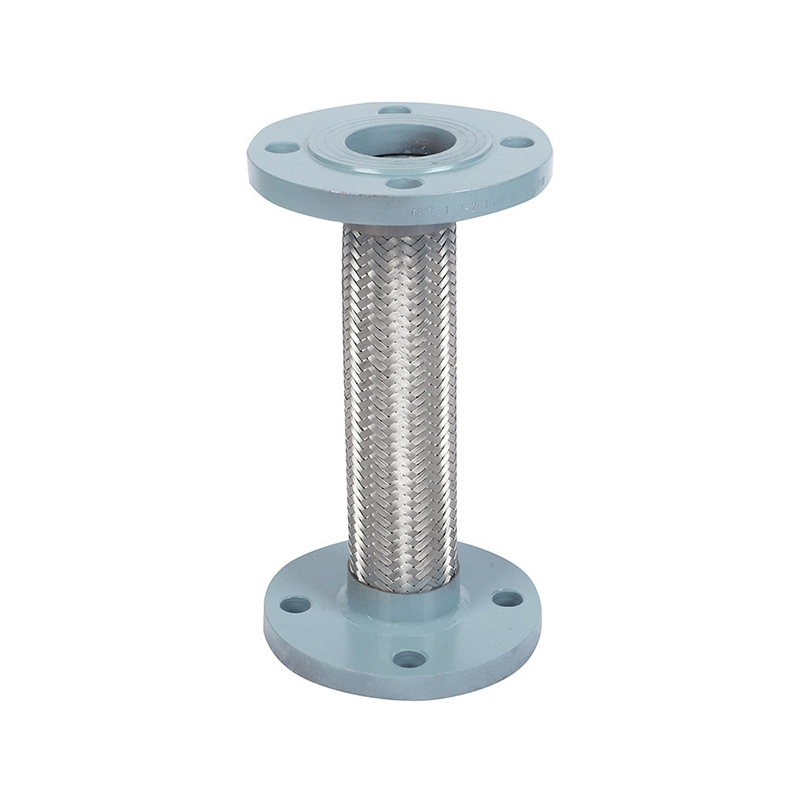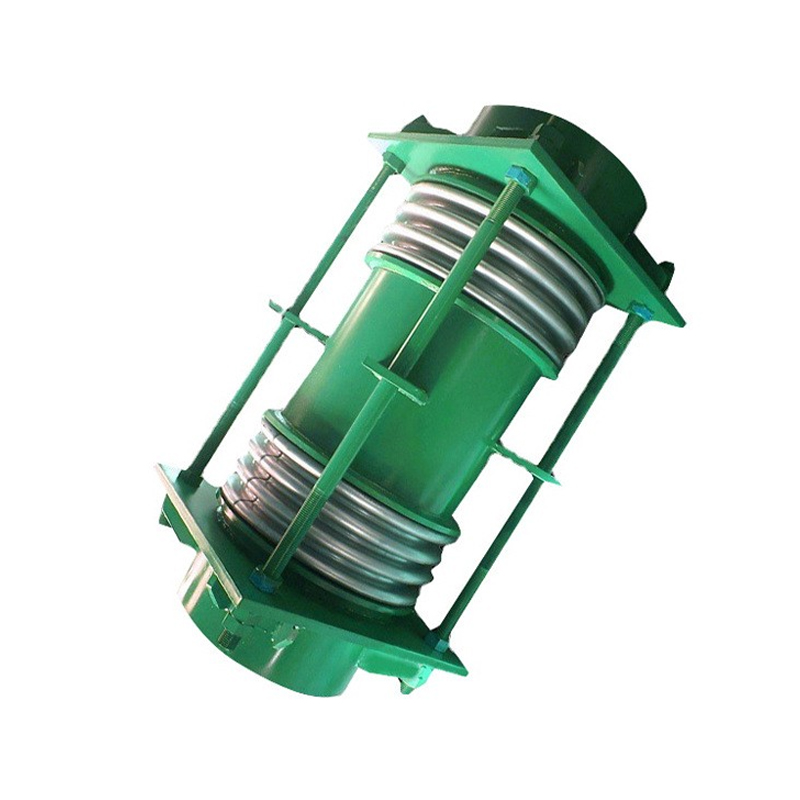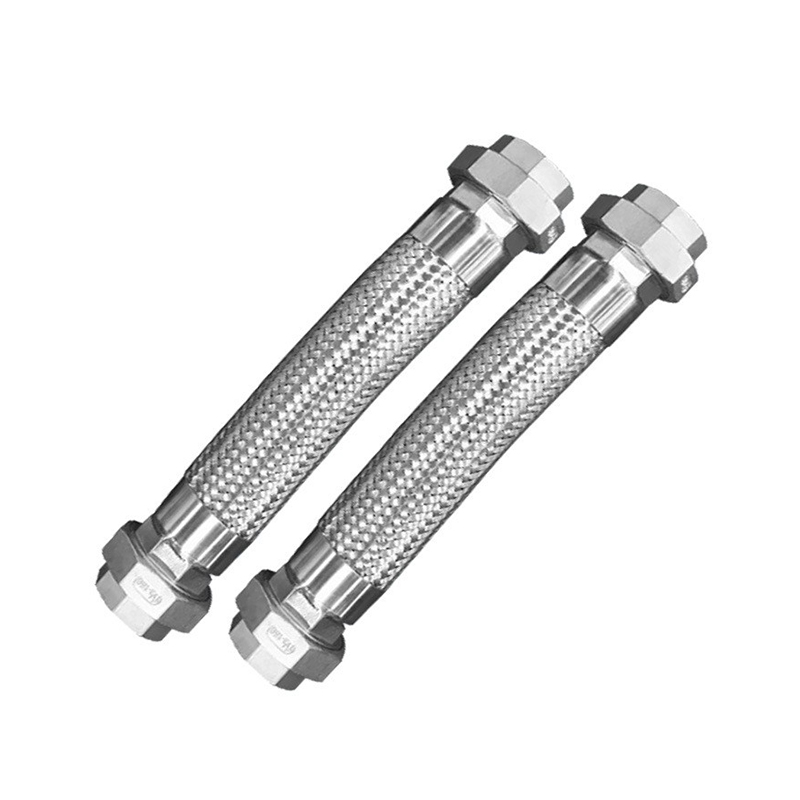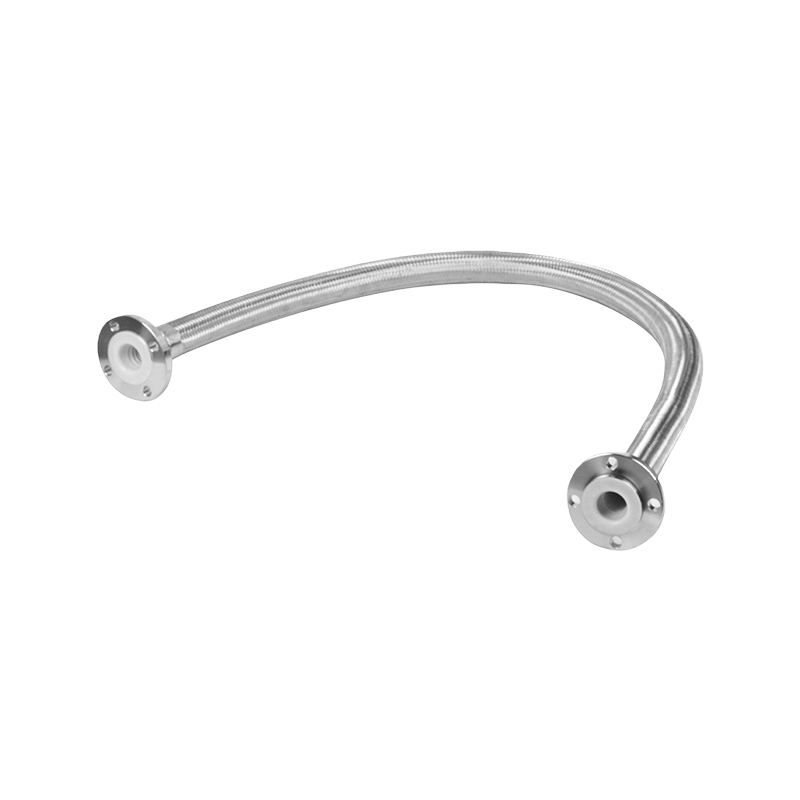
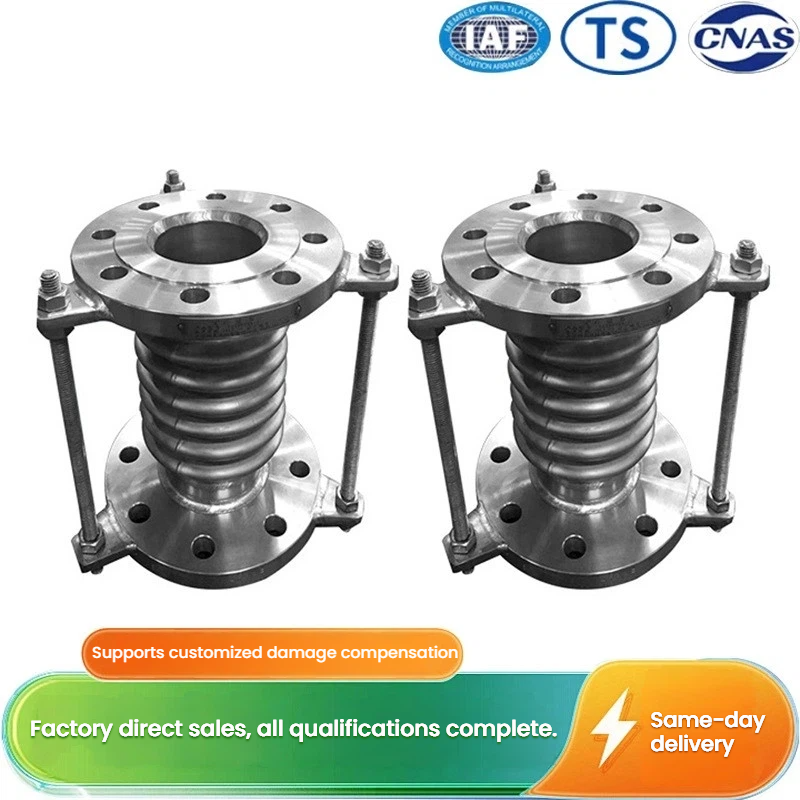
As a key component in connection and conveying systems, metal hoses are commonly used in complex conditions such as high temperature, high pressure, vibration, and limited space.
PTFE-lined metal hoses are widely used in the chemical, pharmaceutical, and highly corrosive media transportation fields due to their excellent corrosion resistance and good mechanical strength.
The processing of polytetrafluoroethylene (PTFE) linings requires strict control of temperature and pressure to avoid material decomposition or performance degradation.
The internal corrugated structure of a metal hose may deform when bent, resulting in a reduction in the flow cross-section or a change in shape, forming local turbulence or eddies.
The end transition section adopts a gradually changing cross section design, which can eliminate stress concentration caused by geometric abrupt changes and improve the overall vibration resistance performance.
The surface of the weldment must be kept dry and clean to prevent moisture or impurities from decomposing at high temperatures and generating gas, which can lead to porosity or slag inclusions.